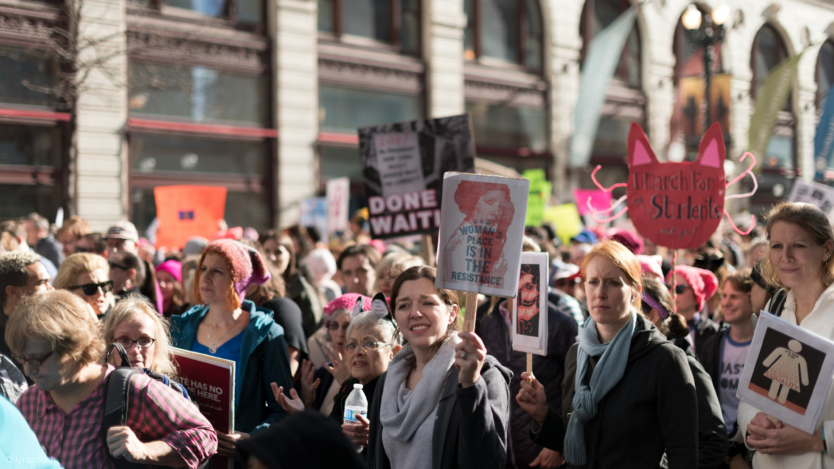
Beyond Beijing: Rethinking Women’s Political Participation is a research project implemented by the European Democracy Hub in partnership with Club de Madrid, exploring the global progress made in aiding women’s political participation since the adoption of the Beijing Declaration and Platform for Action in 1995. As part of this project, the European Democracy Hub interviewed Esko Aho, Prime Minister of Finland (1991–1995) and Member of Club de Madrid.
What is the most significant achievement in women’s political empowerment over the past 30 years?
I think we have seen a global trend of a substantial increase in the number of women in leadership roles, including in politics. This increase is largely due to greater access to education. Recognising the problem of gender inequality has encouraged countries and educational institutions to make progress in providing access to education for women. In most countries around the world, this has had a positive impact, resulting in more women participating in politics, business, and broader social and political life.
Yet, challenges remain. There are still sectors where, despite global progress, women are underrepresented – politics being one such area. The new generation of political leaders should focus on these fields and address the challenges by creating specific conditions that support access to education and offer specialised training for women.
How can gender equality be fostered effectively in ways that reduce the risk of conservative pushback in societies?
This is a serious challenge, including in democracies. Young men are increasingly isolating themselves in society, and research shows that they are drawn to populist movements that often attack gender rights and make this a prominent part of their political agendas. This is partly because young men no longer see themselves in the societal roles they traditionally held. In some cases, they – mistakenly – blame the gender equality agenda for changes they perceive as having a negative impact on them.
To effectively foster gender rights, societies must address these issues. Those who wrongly attribute their frustrations to the gender equality movement need better information and real-life examples to understand why gender equality matters for the greater good of society.
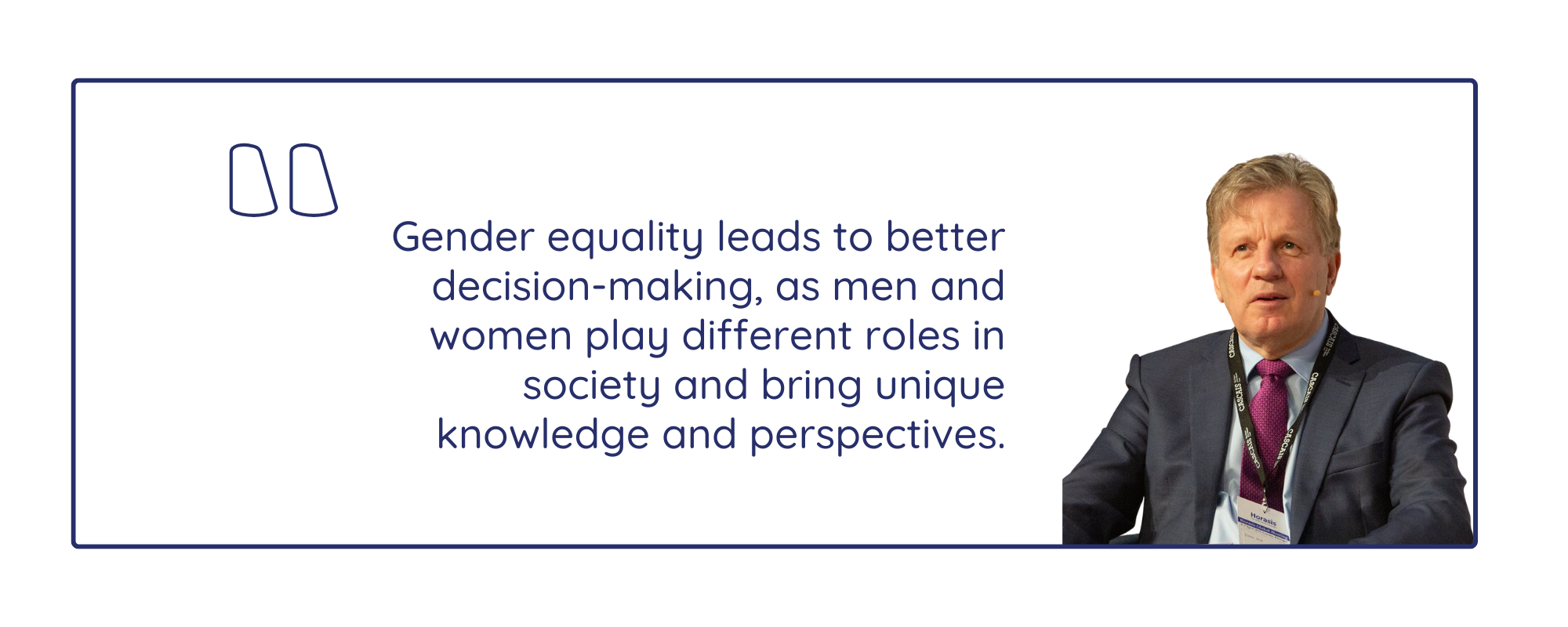
Gender equality leads to better decision-making, as men and women play different roles in society and bring unique knowledge and perspectives. Gender equality ensures a balance between these contributions, making it easier to identify and address challenges.
What’s your view of international monitoring mechanisms? Are they effective in fostering gender equality and women’s political empowerment?
This challenge is not solely linked to international monitoring mechanisms. International pressure alone will not yield strong results. Progress depends on domestic political commitment and ownership. International monitoring mechanisms are helpful for tracking progress, making comparisons across countries, and enabling mutual learning. However, the belief that international pressure or monitoring alone can produce a positive impact is often overstated.
Having international experience and tailored advice for different contexts is valuable, but the commitment of political leadership to drive progress is crucial – and remains the most effective approach. Especially when political actors across the spectrum agree that this is a beneficial path for society, progress can be achieved more rapidly.
How has the digital sphere affected political violence against women and their participation in politics?
This is certainly a real challenge. I believe these attacks have many causes and are not solely linked to gender. However, it is also true that statistics show female politicians are more vulnerable to such attacks. There is certainly work to be done, and tech companies should contribute to that effort. Politics has always been rough – we received similar comments and attacks in hard-copy letters during my administration. Our policy was not to give too much significance to these letters.
I also believe we should focus on the problem and its solutions, rather than amplify these messages, which could encourage others to follow suit. Awareness raising and advocacy should be conducted constructively to avoid unintended consequences.
This interview was conducted with the financial support of Club de Madrid as part of the “Beyond Beijing: Rethinking Women’s Political Participation.”