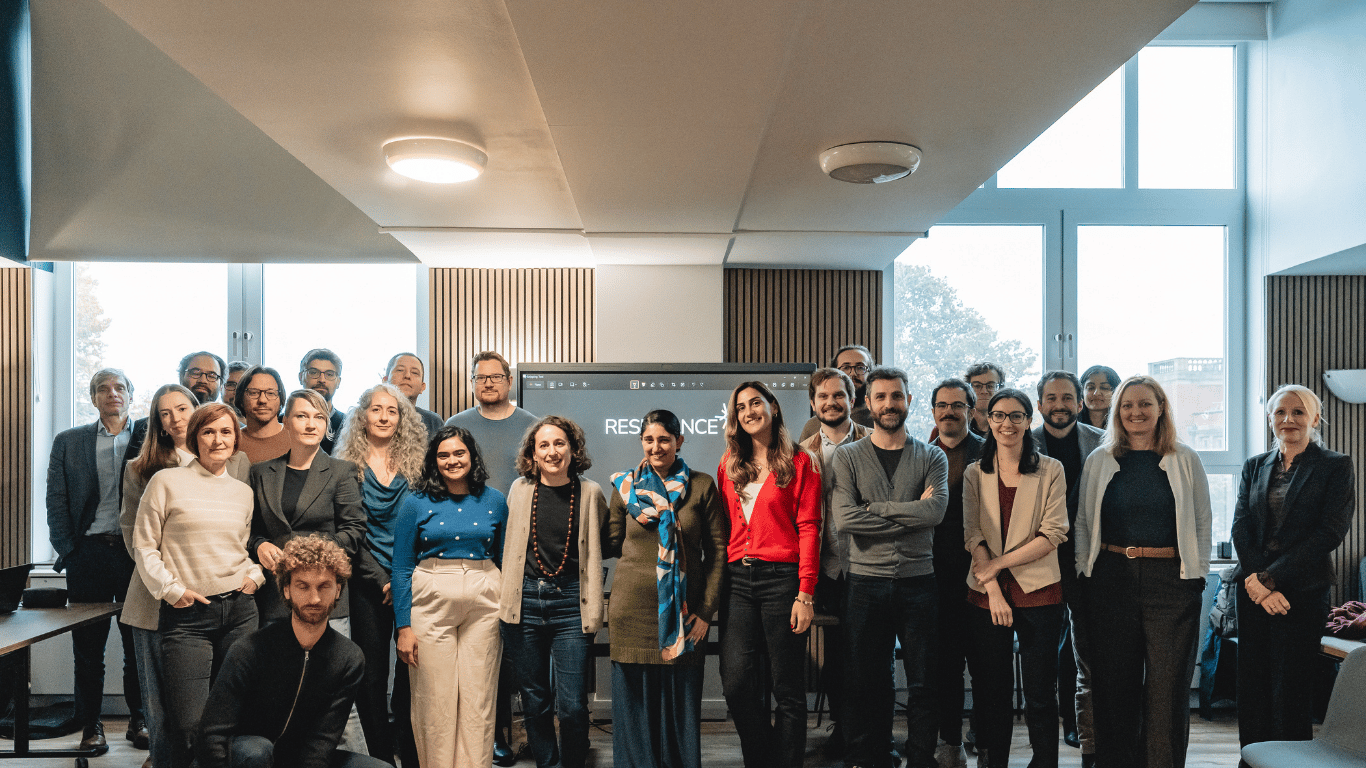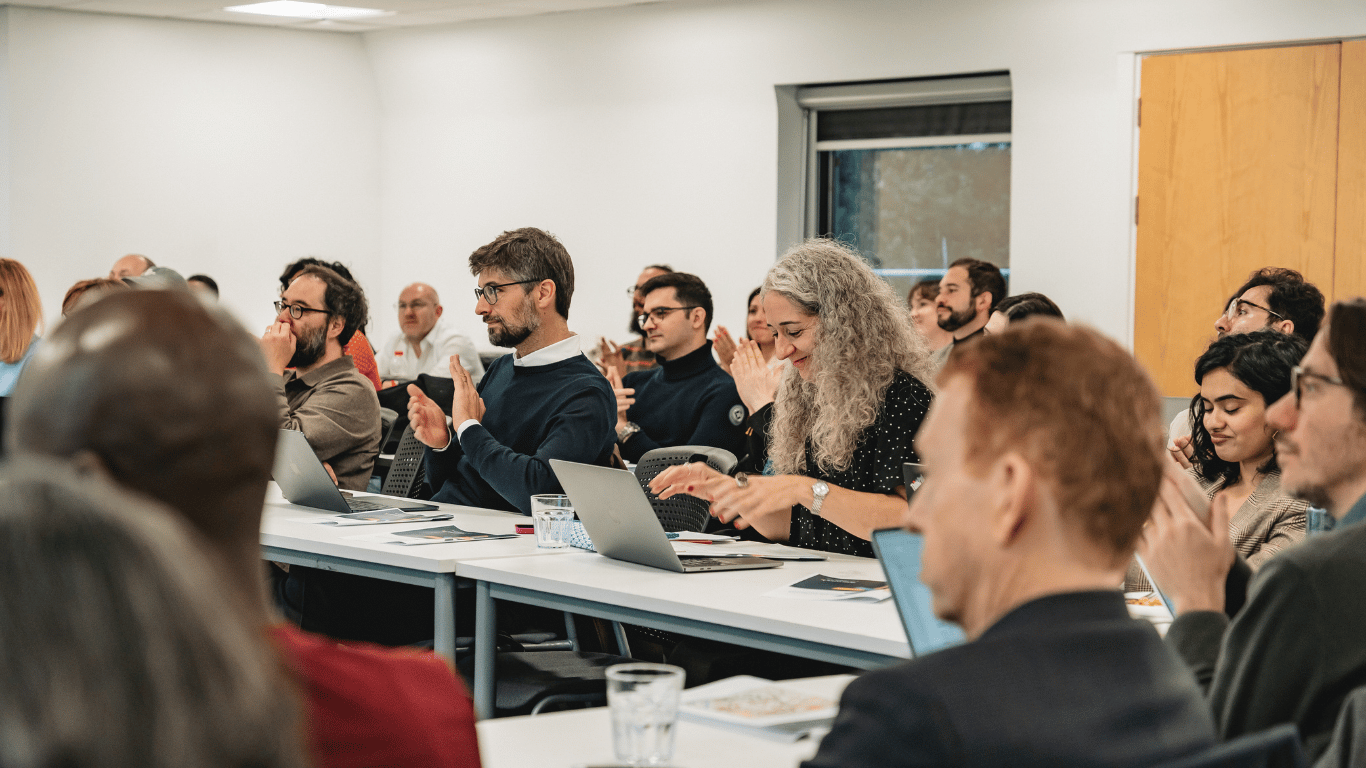
On 20 and 21 October 2026, the RESISTANCE consortium met in Birmingham, UK, to launch the project. Over two days, partners explored the project’s central concept, interscalar authoritarianism, and discussed the analytical and methodological approaches that will guide their research.
Day 1
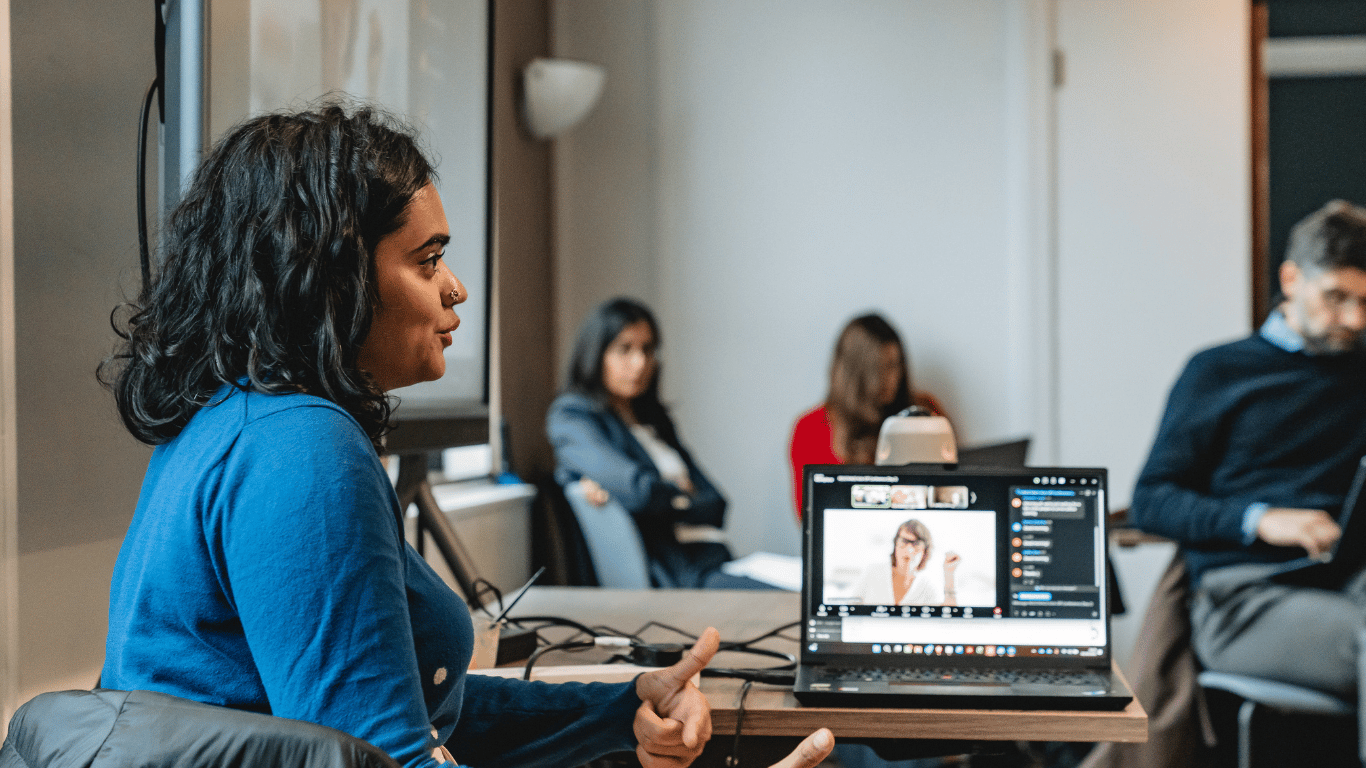
The first day of the kick-off was a hybrid workshop open to the public, which saw more than 60 participants (in person and online), including researchers from across the University of Birmingham and scholars of authoritarianism from further afield, to discuss the project’s framework and implementation.
Day 1 opened with a presentation, “Why Interscalar Authoritarianism, and Why Now?”, by Licia Cianetti, RESISTANCE project coordinator and Associate Professor in political science and international studies at the University of Birmingham. Licia introduced the concept of “interscalarity”, an analytical framework from human geography that describes how deeply interconnected different geographical scales are, from the local to the national and transnational. She argued for “opening up the geographical imagination” in the study of authoritarianism by looking beyond standard geographical boundaries and examining the connections across different locations and scales through which authoritarian ideas, practices, technologies, and policies emerge and spread.
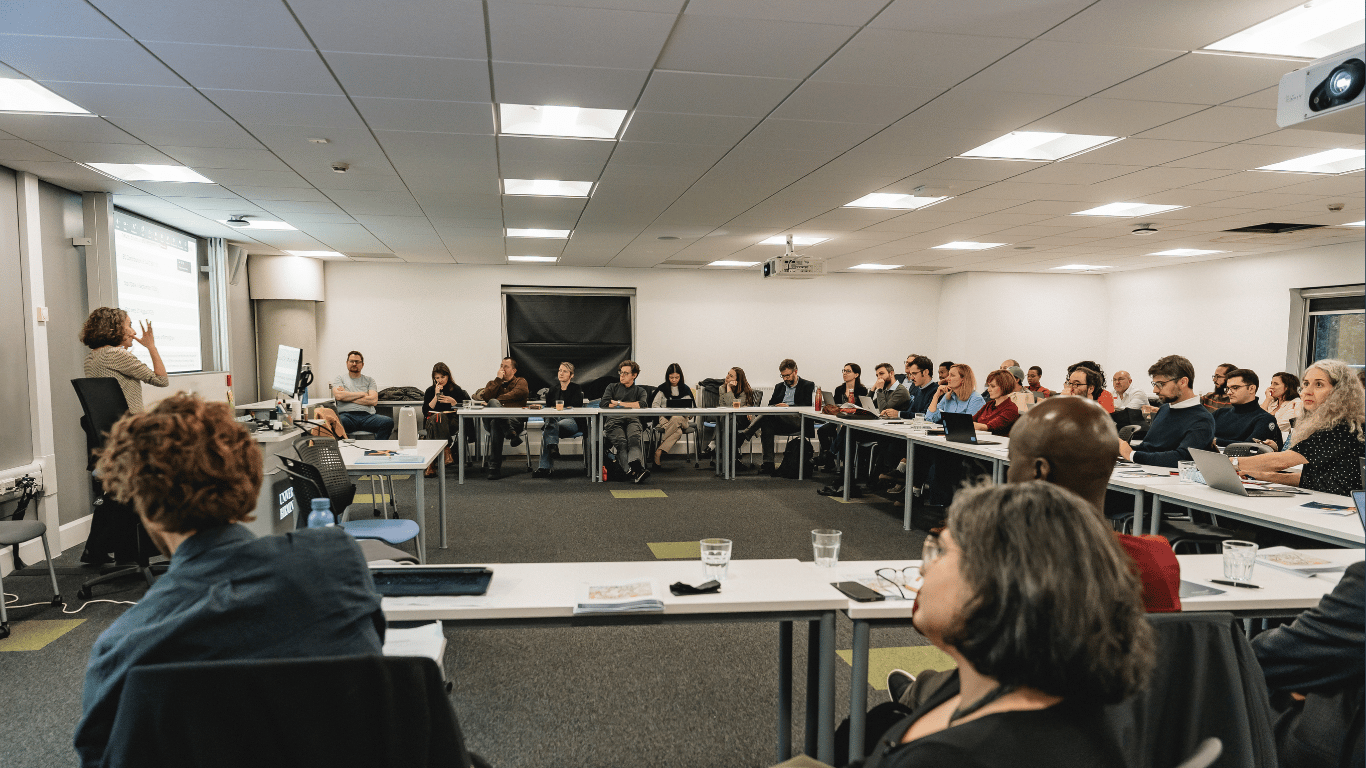
Ayesha Siddiqi, Associate Professor in human geography at the University of Cambridge and a member of the RESISTANCE Global Advisory Board, joined the discussion and expanded on the project’s site-based, interscalar approach. She noted that talking about “levels” (local, national, regional, transnational) tends to suggest separate, fixed units of analysis and can obscure the connections that cut across them. The site-based research foreseen by RESISTANCE, instead, will allow the project to trace how a particular process unfolds across different locations and scales, blurring the lines between levels and producing complex and ever-shifting geographies of power.
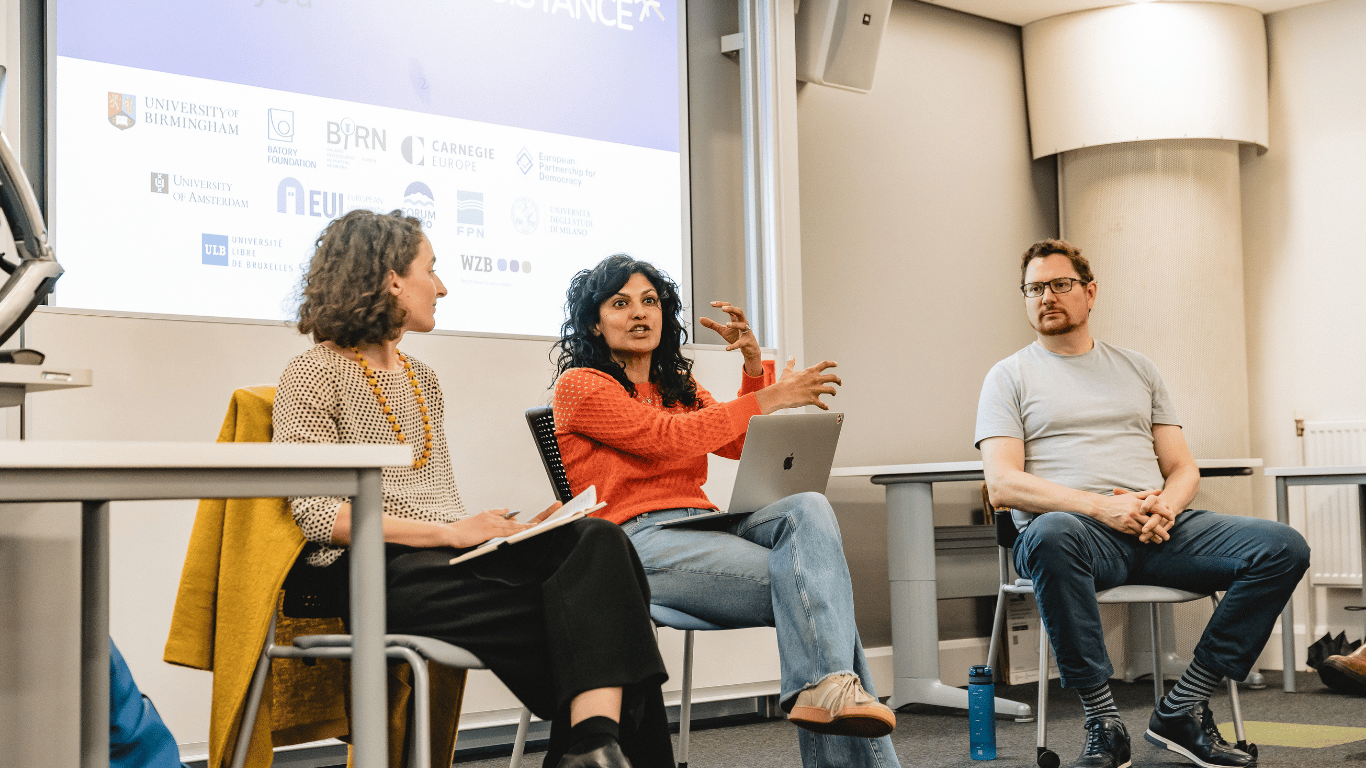
The work package leads then presented their research objectives and main tasks:
- Work Package 2, led by the Università degli Studi di Milano (UMIL), investigates why and how authoritarian ideas gain appeal among democratic citizens.
- Work Package 3, led by Université libre de Bruxelles (ULB), examines the growing appeal of autocratic governance and practices, and the coalitions of state and non-state actors that drive autocratisation.
- Work Package 4, led by University of Amsterdam (UvA), looks at digital authoritarian practices and the ecosystem behind them, including the actors who make, sell, and promote digital authoritarian technologies.
- Work Package 5, led by the University of Amsterdam (UvA), studies how anti-gender networks function as conveyor belts of authoritarian policies.
- Work Package 6, led by the European University Institute (EUI), will develop an early warning tool to detect emerging configurations of authoritarian power.
- Work Package 7, led by Carnegie Europe, will lead the co-creation of policy ideas and tools to resist autocratic appeal.
In the final session, the coordinators of RESISTANCE’s two sister projects, DeAppeal and RADAR, presented their projects and discussed opportunities for collaboration and synergies across the three projects.
Day 2
Day 2 was a closed-door workshop for the RESISTANCE consortium, focused on the project’s methodological and ethical frameworks. Partners discussed ethical protocols for conducting site-based research, interviews and surveys, the secure storage of sensitive information and how to obtain ethical clearance. They also discussed how to put a co-creation approach into practice, including how to make sure the experiences and insights of people working on the ground feed into the research. There was also a strong focus on how to make sure the influence of the research extends beyond academia so that it is relevant to, and resonates with, policy makers, civil society leaders, activists and journalists.
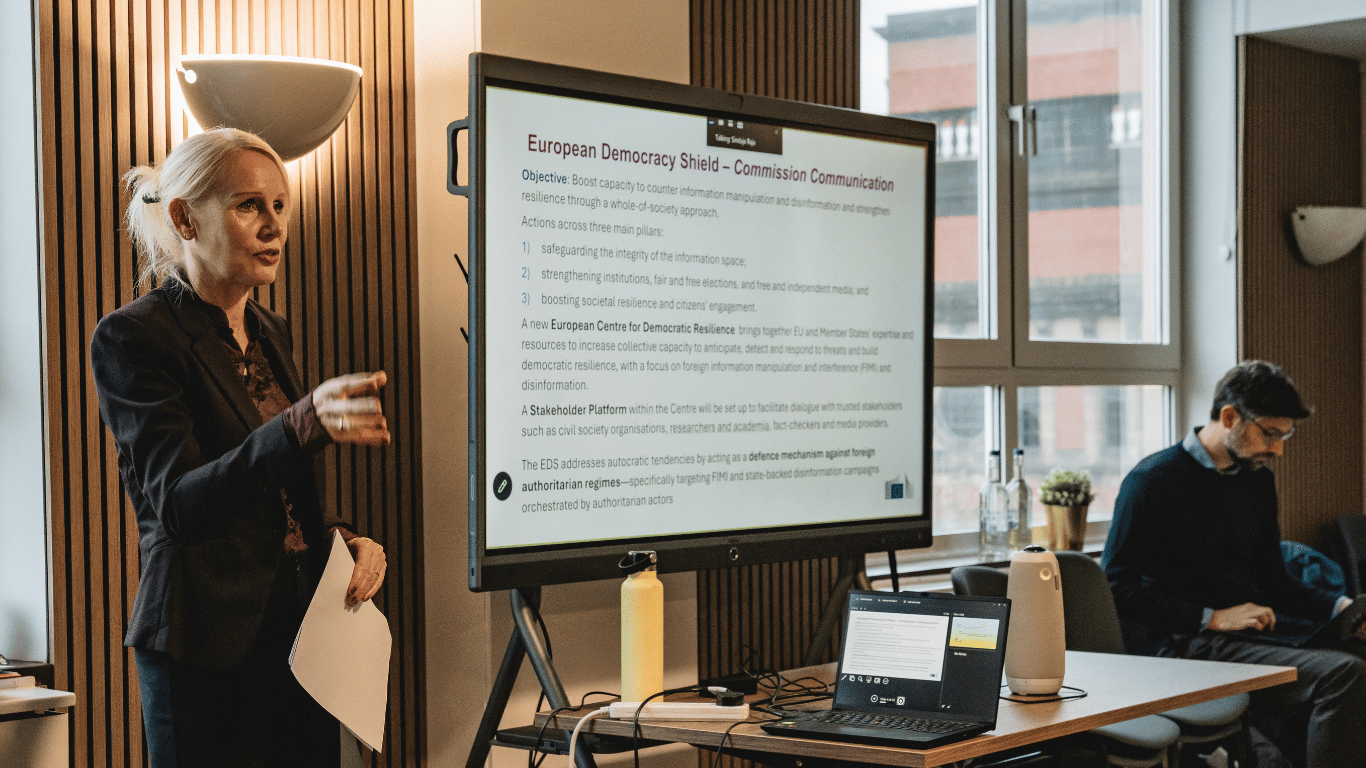
Before a closing “next steps” session, the kick-off meeting hosted two representatives from the European Commission (the project’s Policy Officer and Project Officer), who provided guidance on managing a Horizon Europe project. They stressed how projects like RESISTANCE can, and are expected to, contribute to broader EU initiatives, including the European Democracy Shield and the Centre for Democratic Resilience.
Over the coming months, the consortium will refine its methodological and ethical frameworks and prepare for the next phase of research, which will focus on desk research, building the project databases, and conducting the site analyses.